The city decides whether your stone wall needs a permit, and the answer turns on its height and what it's holding back. The City of Escondido requires a permit for retaining walls unless they're under four feet tall counting the footing and aren't supporting a surcharge, which is the city's word for extra weight pushing down behind the wall, like a slope, a driveway or a building. Change the slope of your yard and you'll need a grading permit too, and ground steeper than the city's set maximum also calls for an engineer's soils report. A freestanding stone fence follows a different rule, since the city doesn't require a building permit for masonry fences up to 6 feet and does above that, though zoning still limits how tall it can be and how far back it has to sit. When a permit is needed, we handle the application with the city or county, keep the permit and plans on site for the inspections the city does at several stages, and meet the inspector each time. If your home might be historic, we'll ask you to check with the city before we schedule anything.
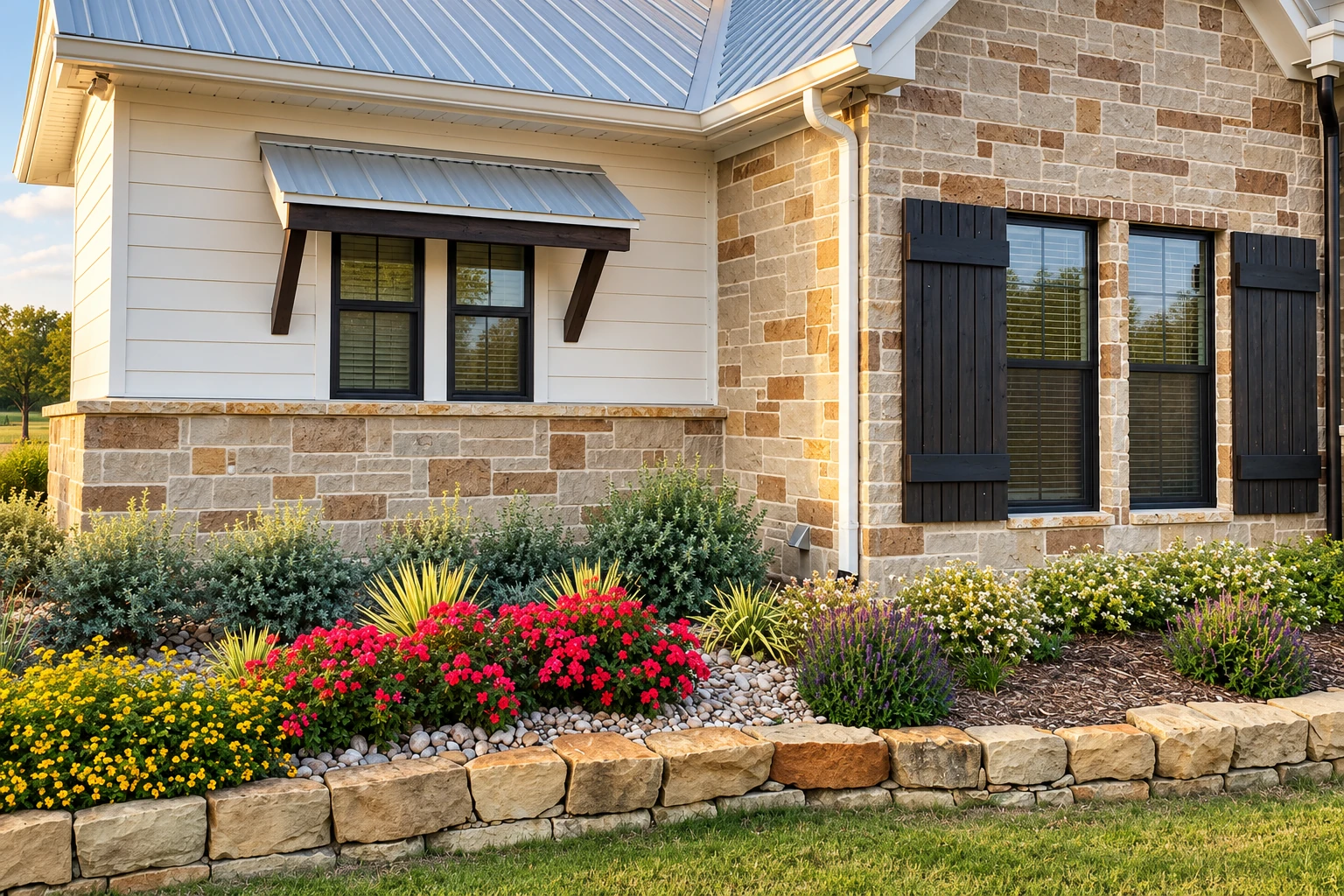
A lot of the stone work we do around here is on sloped yards, where a wall holds back a hillside or terraces a garden, and that's right where those height and slope rules come into play. The city's own planning study puts the San Jacinto fault zone about 40 miles northeast and calls it the most active fault zone in the southern California plate area, which is part of why I don't cut corners on a mortared wall's foundation. We're based in Escondido and work in the cities around it, from Temecula and Murrieta down to Chula Vista, including San Marcos and Valley Center, plus plenty of places beyond the ones on our city pages.